

Blundering into Cuba
The lesson Donald Trump won't learn.

Donald Trump is too much the optimist.
That’s not usually a criticism leveled at the president, but that seems obviously true where foreign policy adventurism is concerned. Trump doesn’t look at regime change and ask himself “how is this going to go wrong?” He assumes the best possible outcome — from his point of view anyway — and then, when he doesn’t get it, gets confused and angry and starts pointing fingers.
You’ve all been paying attention to Iran, I assume?
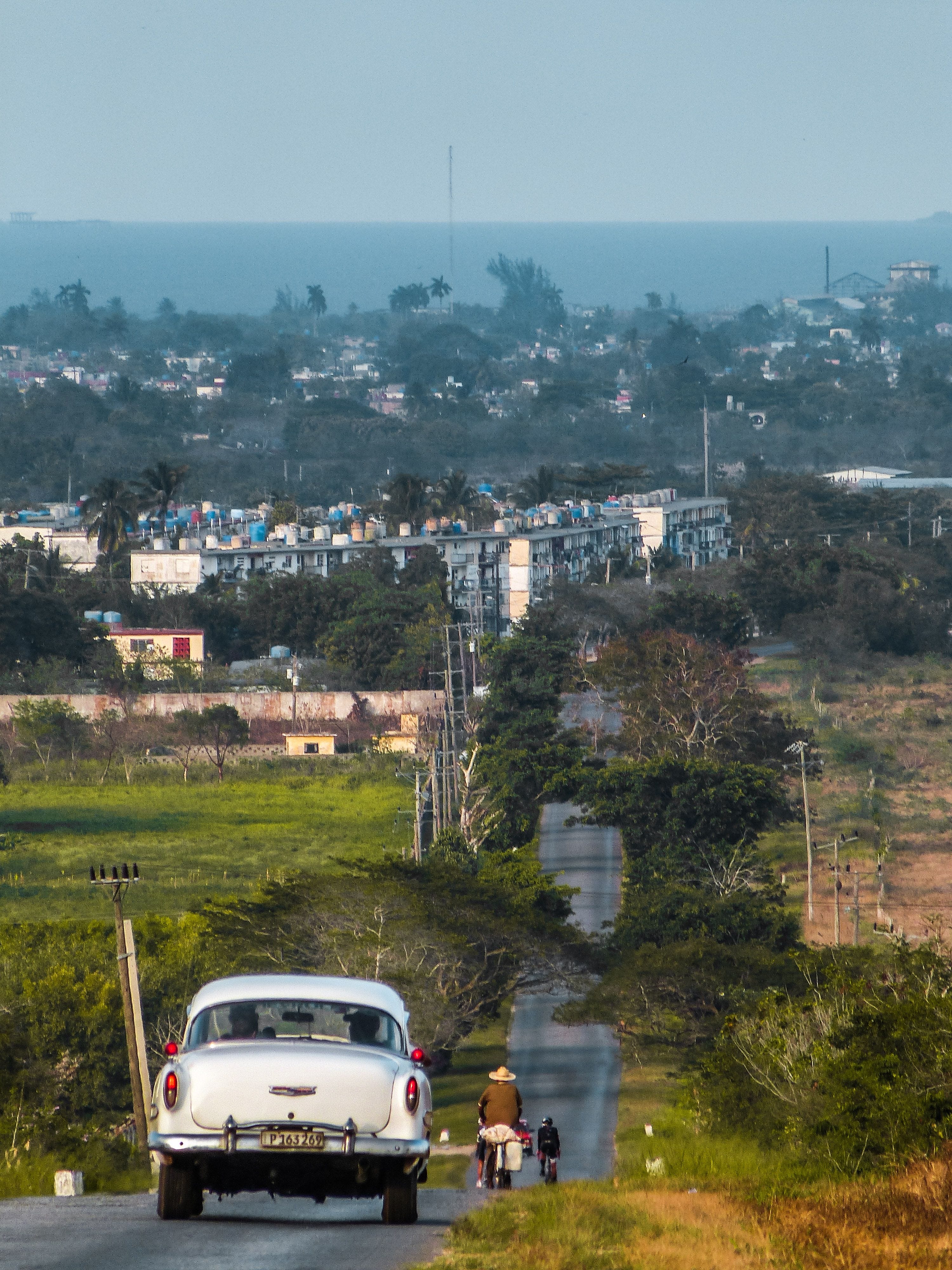
Anyway, it’s pretty clear that the president has not learned his lesson from that. He’s ready to try all over again in Cuba — and once again, the alarm bells are ringing pretty loudly.
The Trump administration has pressed its spy agencies to identify someone in the mold of Delcy Rodríguez, who became Venezuela’s interim president after U.S. forces captured the previous leader, Nicolás Maduro, in January.
U.S. officials viewed Ms. Rodríguez as a pragmatist who could seamlessly assume power and would be willing to work closely with them.
Some administration officials believe that a similarly pragmatic leader can be found in Cuba.
But American spy agencies have assessed that Cuba is less like Venezuela and more like Iran, according to people briefed on the intelligence reports.
Uh-oh.
Really, Trump isn’t all that different from the late Dick Cheney, who asserted before the invasion of Iraq that “we will, in fact, be greeted as liberators.” We were not. But unwarranted optimism is a longstanding problem in American foreign policy planning, and Trump told us he was different. He is not.
So my advice to Trump and the foreign policy establishment — which will surely go unheeded — would be to take every bright idea to go abroad in search of monsters to destroy and start with a simple question.
This is likely to be a disaster. Is it still worth it?
Most of the time it won’t be. And most of the time, what looks like a short-term win — the Venezuela thing, the first month or two in Iraq — turns out to be a long-term quagmire.
It’s possible that the quagmire would be worth the cost if the aim is good enough. But again, most of the time it won’t be.
That’s not how Americans have generally acted in my lifetime, though. Our leaders keep refusing to learn caution. And we keep stumbling into new disasters.